1. Paris: Chic, Crowds, and Café Culture
Paris is often the first stop for visitors — and for good reason. It’s beautiful, historic, and full of experiences. But it can also be overwhelming if you try to see everything at once.
Morning: Espresso and Cobblestones
Start your day at a local café. Order un café (espresso) and a croissant. Stand at the counter for the full Parisian experience — sitting down is optional and often pricier.
Wander cobblestone streets in the Marais or Saint-Germain, taking in architecture, boutique shops, and street art.
Midday: Must-See Landmarks
Louvre: Book tickets online to avoid lines. Focus on a few highlights; trying to see every painting is exhausting.
Notre-Dame & Sainte-Chapelle: Check for current restoration schedules; even if the cathedral isn’t fully open, the area is worth exploring.
Seine strolls: Walking along the river is free and beautiful; consider a short boat cruise if you have time.
Tourist Mistake Alert: Thinking Paris can be “done” in a single day. Pick your priorities and embrace slow wandering.
Evening: Dinner and Nightlife
Parisians eat late: dinners often start at 8–9 PM. Try classic French dishes like coq au vin, duck confit, or ratatouille, paired with a local wine.
Don’t skip apéritifs — a pre-dinner drink with small snacks is part of the social culture.
2. Regional France: Small Town Slow Life
Once you leave Paris, France takes on a more relaxed pace. Small towns and villages in regions like Provence, Normandy, and Alsace are a completely different experience.
The Charm of Villages
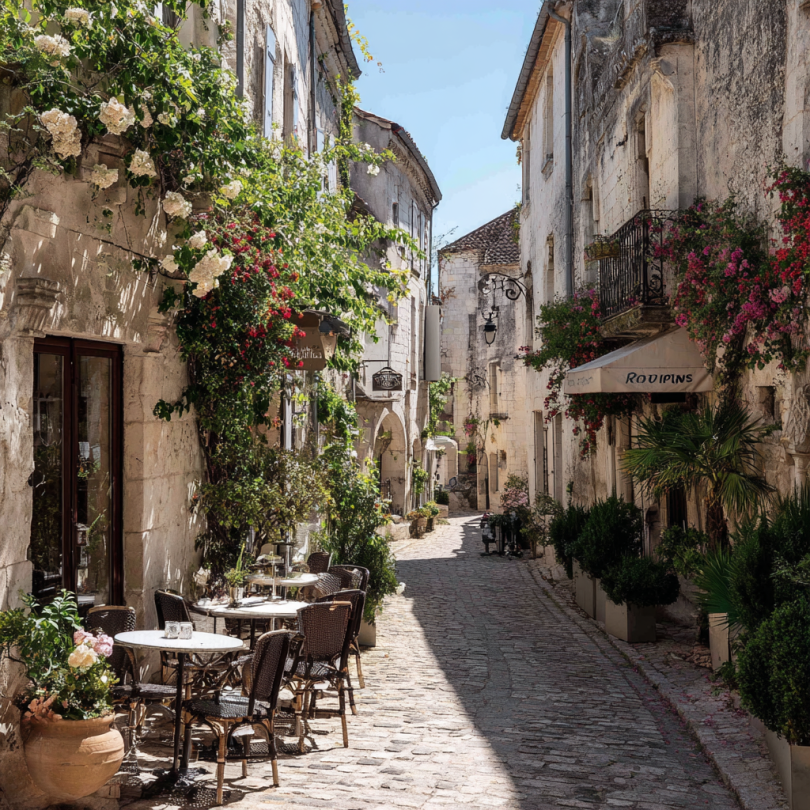
Narrow streets, stone houses, and local bakeries dominate life.
Cafés and markets are social hubs — locals know each other, and tourists are noticed but welcomed.
Everything is more spaced out; walking from a bakery to a cathedral might be five minutes, but you’ll linger and watch life unfold.
Food and Drink
Local specialties vary by region:
Provence: Olive oils, herbs, ratatouille, and rosé.
Normandy: Camembert, cider, and seafood.
Alsace: Flammekueche, pretzels, and white wines.
Farmers’ markets are goldmines for cheese, pastries, and seasonal fruits.
Tourist Mistake Alert: Expecting restaurant hours like in a city. Many rural eateries close mid-afternoon and reopen for dinner; check before heading out.
3. Transport: From Metro to Country Roads
Paris metro: Efficient, but can be crowded during rush hours. Consider walking for short distances — the streets themselves are the attraction.
Trains (SNCF and TGV): High-speed trains connect Paris with major regions like Lyon, Marseille, and Bordeaux. Perfect for day trips or overnight stays.
Cars in small towns: Renting a car gives freedom to explore rural areas and vineyards at your own pace.
Quick Tip: Public transport works well for cities and large towns, but countryside exploration often requires driving.
4. Language and Social Etiquette
French is widely spoken outside tourist zones. Learning a few phrases goes a long way:
Hello / Goodbye: Bonjour / Au revoir
Please / Thank you: S’il vous plaît / Merci
Excuse me / Sorry: Pardon / Désolé
Do you speak English?: Parlez-vous anglais?
Tourist Mistake Alert: Jumping straight to English in small towns. Polite greetings in French create goodwill and smoother interactions.
5. Cultural Habits
Meal pacing: Meals are long and social; don’t rush.
Shopping hours: Many stores close Sunday afternoons; plan ahead.
Tipping: Not mandatory, but rounding up or leaving 5–10% for excellent service is appreciated.
Seasonal Highlights
Spring & Summer: Lavender fields in Provence, beaches on the Riviera, vineyard tours.
Fall: Wine harvest season in Bordeaux and Burgundy.
Winter: Christmas markets in Alsace, cozy mountain villages in the Alps.
6. Quick Itinerary Ideas
If you only have 48 hours:
Day 1: Paris — Eiffel Tower, Louvre, Saint-Germain strolls, and evening dinner near Montmartre.
Day 2: Day trip or overnight in a nearby town — Giverny for Monet’s gardens, Versailles for palaces, or Loire Valley for castles and wine.
If you have more time, consider:
Provence: Lavender fields, small village markets, and seaside towns.
Normandy: D-Day beaches, cider tasting, and quaint port towns.
Alsace: Half-timbered houses, vineyards, and Strasbourg’s canals.
7. Common Tourist Mistakes
Overpacking city attractions and skipping leisurely exploration.
Expecting rural France to match Parisian pace — it’s slower, quieter, and intentional.
Eating only in tourist zones — local restaurants and bakeries are better.
Ignoring regional differences — food, wine, and even language vary.
Underestimating walking distances — towns may be small, but streets are winding, and wandering is part of the charm.
France is a country of contrasts: bustling, chic Paris, and slow, soulful towns that feel frozen in time. Experiencing both sides — even briefly — gives a complete picture of French life.
In Paris: Enjoy museums, cafés, and the iconic landmarks. Let the city’s rhythm sweep you along.
In small towns: Slow down, linger in cafés, explore markets, and savor local food and wine.
France in 48 hours or more isn’t about checking boxes; it’s about absorbing contrasts, tasting flavors, and embracing both pace and leisure. By understanding the rhythm and quirks, you’ll leave with memories that feel authentically French — and a little wistful for the next visit.