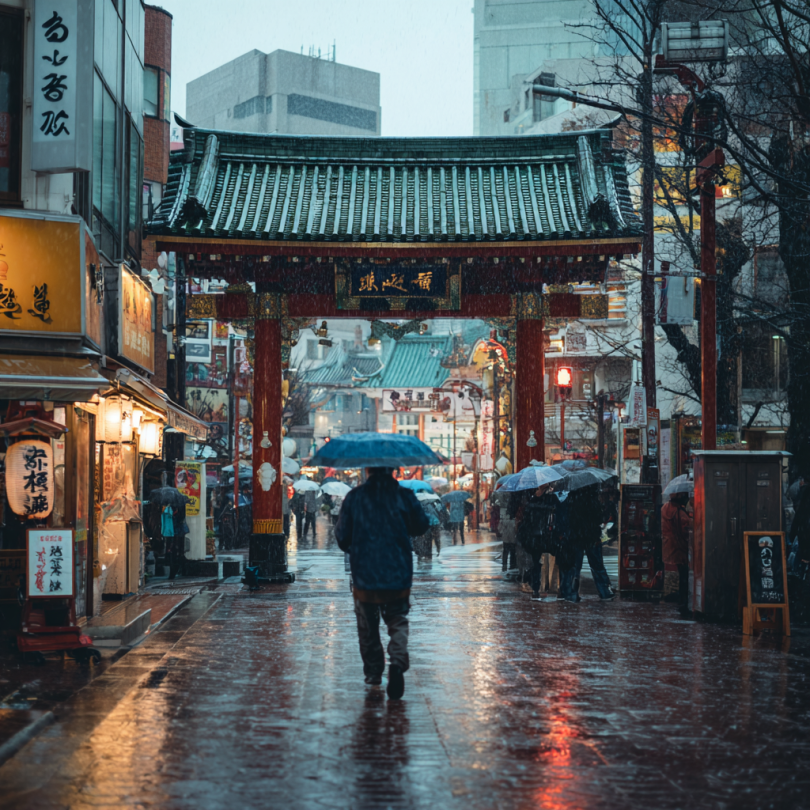
1. Trains Are Life
Forget taxis and buses — in most cities, trains are king. Japan’s public transport is punctual, clean, and intimidating at first glance. The good news: once you understand the basics, it’s a dream.
High-Speed vs Local Trains
Shinkansen (bullet trains): These connect cities like Tokyo, Kyoto, and Osaka. They’re fast, reliable, and even have reserved seating. Book tickets in advance if you’re traveling long distances.
Local trains and subways: Within cities, these are your bread and butter. They run frequently and are always on time, often down to the minute.
Etiquette on Trains
Keep your voice low; talking loudly is frowned upon.
No phone calls on local trains — texting is fine.
Priority seats are for elderly, pregnant, or disabled passengers. Respect that.
Tourist Mistake Alert: Not knowing your exit. Stations can be massive, with multiple lines and exits. Always check your exit and platform before hopping on, or you’ll spend 20 minutes wandering underground.
2. Bowing and Polite Rituals
Japan is a country of rituals, and many aren’t obvious to first-time visitors. Bowing is everywhere, from casual greetings to formal apologies.
When to Bow
When meeting someone formally or thanking someone.
When entering certain traditional shops, restaurants, or temples.
When leaving a store; clerks will often bow as you exit.
You don’t need to bow perfectly — a slight nod shows respect and will be appreciated.
Other Polite Habits
Shoes: Always remove shoes when entering homes, some temples, and traditional inns (ryokan).
Cash handling: Place money on the small tray at stores instead of handing it directly to the cashier.
Queueing: Japanese people line up politely for trains, elevators, and even convenience store counters. Jumping the line is considered rude.
Quick Tip: Observing others is your best teacher. Japanese etiquette is subtle, but locals are understanding of tourists as long as you try.
3. Vending Machines Everywhere
Japan has one vending machine for every few dozen people. And they’re not just for sodas. You can buy:
Hot coffee and tea
Cold juices and water
Snacks, ramen, and even ice cream
Umbrellas, batteries, and small toiletries
Vending machines are convenient, fast, and a little quirky — sometimes they’ll even serve soup or wine.
Tourist Mistake Alert: Don’t assume everything is exactly as it looks. Prices and coins accepted vary, so check before inserting money. Some machines also take IC cards (like Suica or Pasmo), which are rechargeable travel cards for trains and purchases.
4. Food and Eating Habits
Japanese food culture is vast, and first-timers can be confused. Here’s what you need to know:
Chopsticks: Don’t stick them vertically into rice — it resembles a funeral ritual.
Ramen shops: Many have vending machines to order your meal; grab a ticket and hand it to the staff.
Sushi: Freshness matters. Try conveyor belt sushi (kaitenzushi) for a quick experience.
No tipping: It’s not expected; staff may even politely refuse a tip.
Quick Survival Foods
Convenience stores (7-Eleven, Lawson, FamilyMart) offer surprisingly good sandwiches, salads, and hot meals.
Bento boxes are perfect for train rides.
Street snacks like takoyaki, yakitori, and taiyaki give you a taste of local flavors without slowing you down.
5. Language Basics
Japanese may look impossible at first, but you can survive with a few key phrases:
Hello / Good morning: Konnichiwa / Ohayou gozaimasu
Thank you: Arigatou / Arigatou gozaimasu (more polite)
Excuse me / Sorry: Sumimasen
Yes / No: Hai / Iie
Do you speak English?: Eigo o hanasemasu ka?
Tourist Mistake Alert: Many travelers assume everyone speaks English. In major cities, some do, but in rural areas, it’s best to have translations ready. A translation app or phrasebook can be lifesaving.
6. Fast City Survival: Tokyo, Kyoto, Osaka
Tokyo: A mix of neon, shopping, and historic temples. Shibuya Crossing and Asakusa are must-sees, but also explore quieter neighborhoods like Koenji or Yanaka for authentic local vibes.
Kyoto: Temples, shrines, and traditional streets. Rent a bicycle for fast exploration. Don’t miss Fushimi Inari Taisha’s thousands of torii gates.
Osaka: Known for food and nightlife. Try street food at Dotonbori, and experience Osaka Castle if you have time.
Travel Tip: Use Japan Rail Pass if you plan to hop between cities — it’s cost-effective and convenient for foreigners.
7. Practical Survival Tips
IC Cards: Suica or Pasmo cards make paying for trains, buses, and even some vending machines seamless.
Cash vs Card: Many places, especially small shops or rural areas, prefer cash. ATMs at 7-Eleven or post offices work for foreign cards.
Wi-Fi: Free Wi-Fi is not everywhere. Renting a pocket Wi-Fi or using a SIM card is handy.
Respect rules: No loud phone calls, no littering, and follow signs — it keeps things smooth for everyone.
Pack comfortable shoes: Japanese cities are for walking. Trust me.
8. Common Tourist Mistakes
Expecting every restaurant or hotel to speak English.
Ordering sushi wrong or misusing chopsticks.
Assuming all vending machines are cashless.
Walking too slowly in crowded areas — locals walk fast!
Not checking train schedules in advance; missing the last train can be stressful.
9. Final Thoughts
Japan is magical, but not in the flashy anime sense alone. The beauty is in the precision, rituals, and tiny details — a perfectly timed train, a polite bow, a vending machine hot coffee in the middle of winter.
To survive (and thrive) in Japan:
Respect local customs
Learn a few phrases
Trust the trains
Wander beyond tourist spots
Keep an open mind and patience
Even if your first trip is only a few days, these small hacks will help you enjoy Japan authentically, efficiently, and safely. After all, Japan is less about rushing to see everything and more about absorbing the rhythm of life that’s entirely its own.
ewbez-0de319-4c355e
nodzl-e11079-22f125